Habr Gidir clan
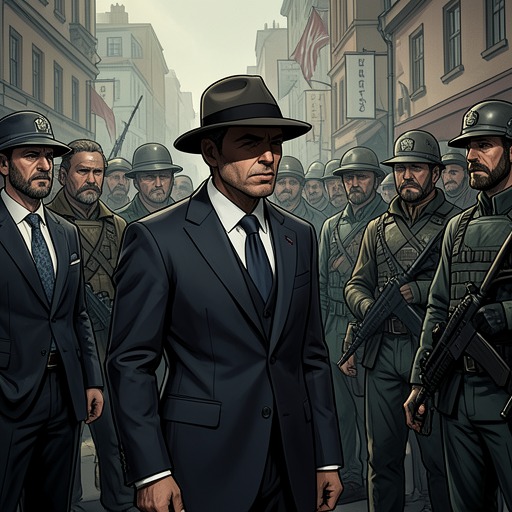
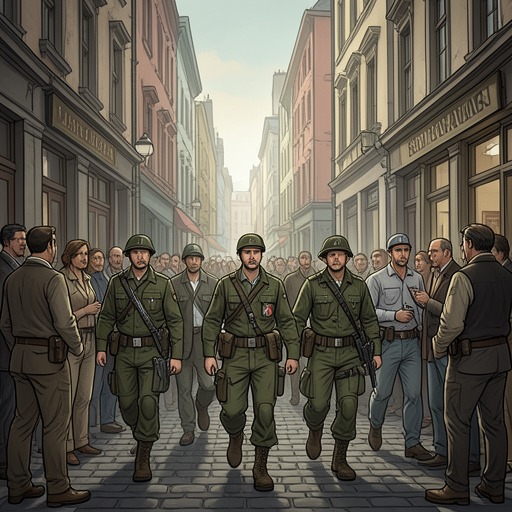
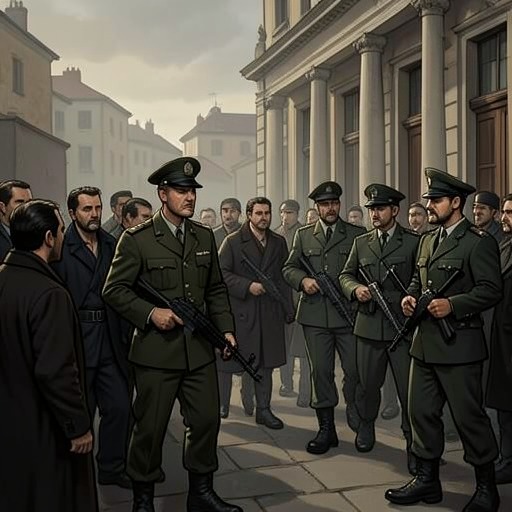
Black Hawk DownThe Habr Gidir clan is presented as the political community whose leaders became central to negotiations over Michael Durant’s captivity after the fighting in Mogadishu. Its role connects the fate of the injured pilot to the detention of clan leaders, while the eventual release turns on pressure from Robert Oakley and an offer passed to Mohamed Farrah Aidid.
Political connection and the capture of Durant
After Durant’s helicopter crashed, Yousuf Dahir Mo'Alim, a neighborhood militia leader, spared him from the attacking crowd. Mo'Alim and his men tried to carry the injured pilot to their village so they could contact leaders of the Habr Gidir clan. They intended Durant to be exchanged for Habr Gidir leaders who had been captured by the Americans.
That plan was interrupted when freelance street fighters in a Land Cruiser intercepted them. The fighters were not aligned with any clan and treated Durant not as a prisoner to exchange for captured leaders, but as a hostage for whom someone would pay. Outnumbered and outgunned, Mo'Alim’s men reluctantly handed him over. The episode shows that clan affiliation mattered to the proposed exchange, but did not give the clan control over every armed group holding Durant.
The dispute over an exchange
When Oakley met with Habr Gidir leaders on October 8, Mohamed Farrah Aidid was still in hiding. Oakley said that the American operation against Aidid had ended and that Task Force Ranger’s original mission was over, but the leaders were skeptical. They said that Task Force Ranger had detained sixty or seventy people from their leadership, including the two most important men captured on October 3, Omar Salad and Mohammed Hassan Awale. In their view, Durant’s release had to involve a trade.
Oakley instead conveyed that President Bill Clinton wanted Durant released immediately and without conditions. He said he would try to secure the detainees’ release, but would not promise it before Durant was freed. He also warned that the United States would neither pay nor trade for the pilot and that, if a rescue became necessary, renewed fighting could devastate the surrounding part of the city. The exchange dispute thus set the clan leaders’ demand for reciprocity against the American government’s stated refusal to bargain.
Message to Aidid and release
The Somalis carried Oakley’s message and warning to Aidid, who offered to hand Durant over. Oakley asked them to delay for a few hours so he could leave the country, and told them to turn Durant over to Paul Howe. The sequence gives the Habr Gidir leaders a mediating role: they communicated the American position to Aidid, and his offer cleared the way for Durant’s release without the exchange the leaders had demanded.
Narrative significance
The clan’s appearances are brief but consequential. Through the proposed journey to contact its leaders and the later negotiations, the account shows Durant’s captivity moving through overlapping local authorities and armed groups rather than a single chain of command. The Habr Gidir clan is neither depicted as the group that captured him nor as the force that ultimately held him; its importance lies in its political connection to Aidid and its place in the contested question of whether a captive could be exchanged for detained leaders.